Introducing: the SU Art Museum Seasonal Playlist

By Christine Dugas '27, MA in Art History

A few years ago, I worked as a gallery attendant at the Kalamazoo Institute of Arts. In their permanent collection galleries, some artworks were accompanied by a QR code that led to a piece of music composed by local musicians in response to that particular work. For visiting school groups, a docent would play the songs and have students guess which art the music was created for. I loved that programming and, still inspired by it today, decided to put together a playlist.  

The dialogue between art and music, whether environmental or conceptual, can capture intangible feelings and provide a moment of reflection. By compiling seasonal playlists connected to the SU Art Museum’s collection, I want to curate small opportunities for these creative and contemplative encounters. With each song, I have sought out a work of art that reflects and plays with the lyricism, sound, or both. Part of the beauty of art and music, though, is how they are experienced on an individual level. These are my personal interpretations — what might be yours?   

Happy spring, and happy listening!   

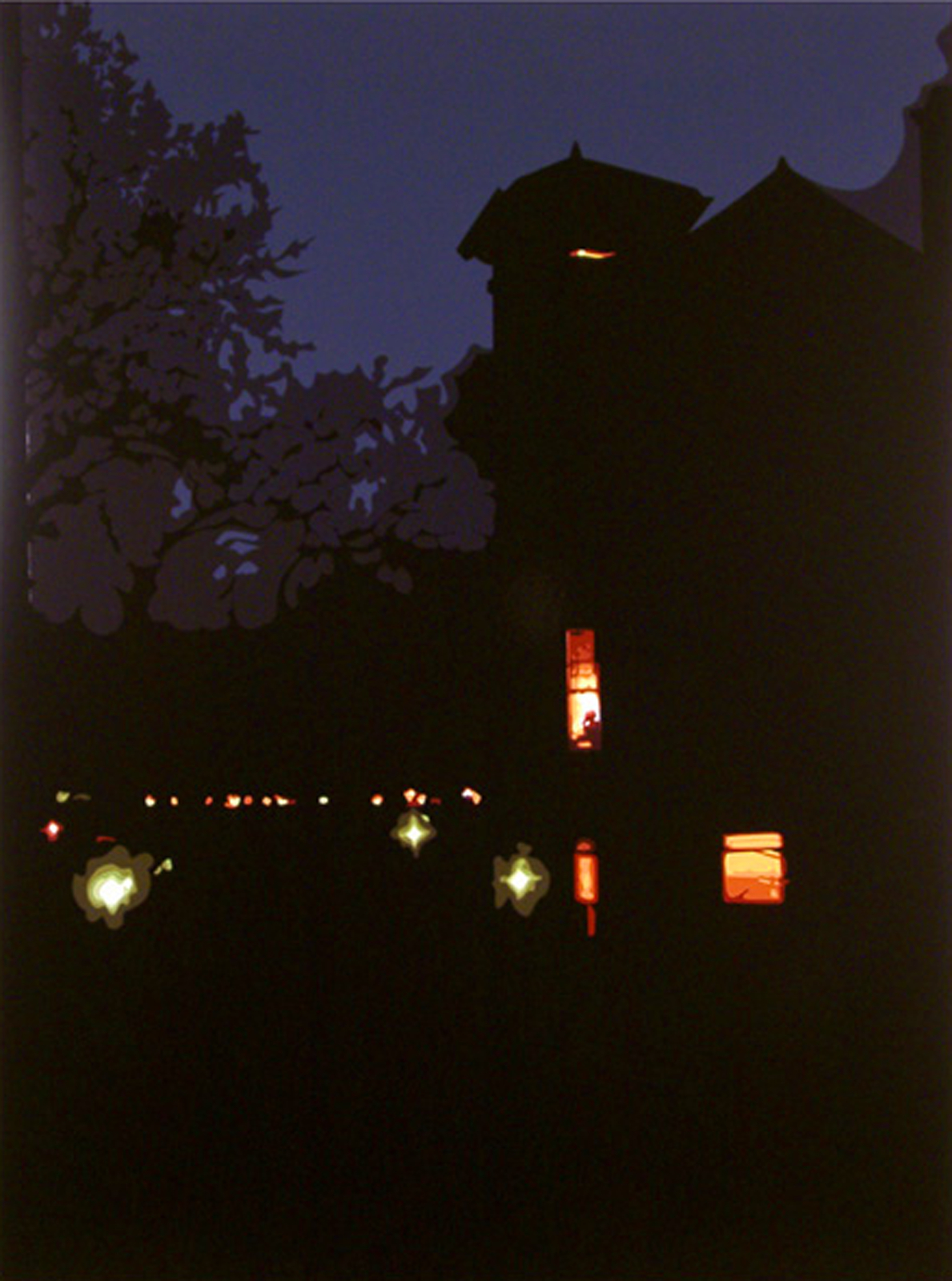
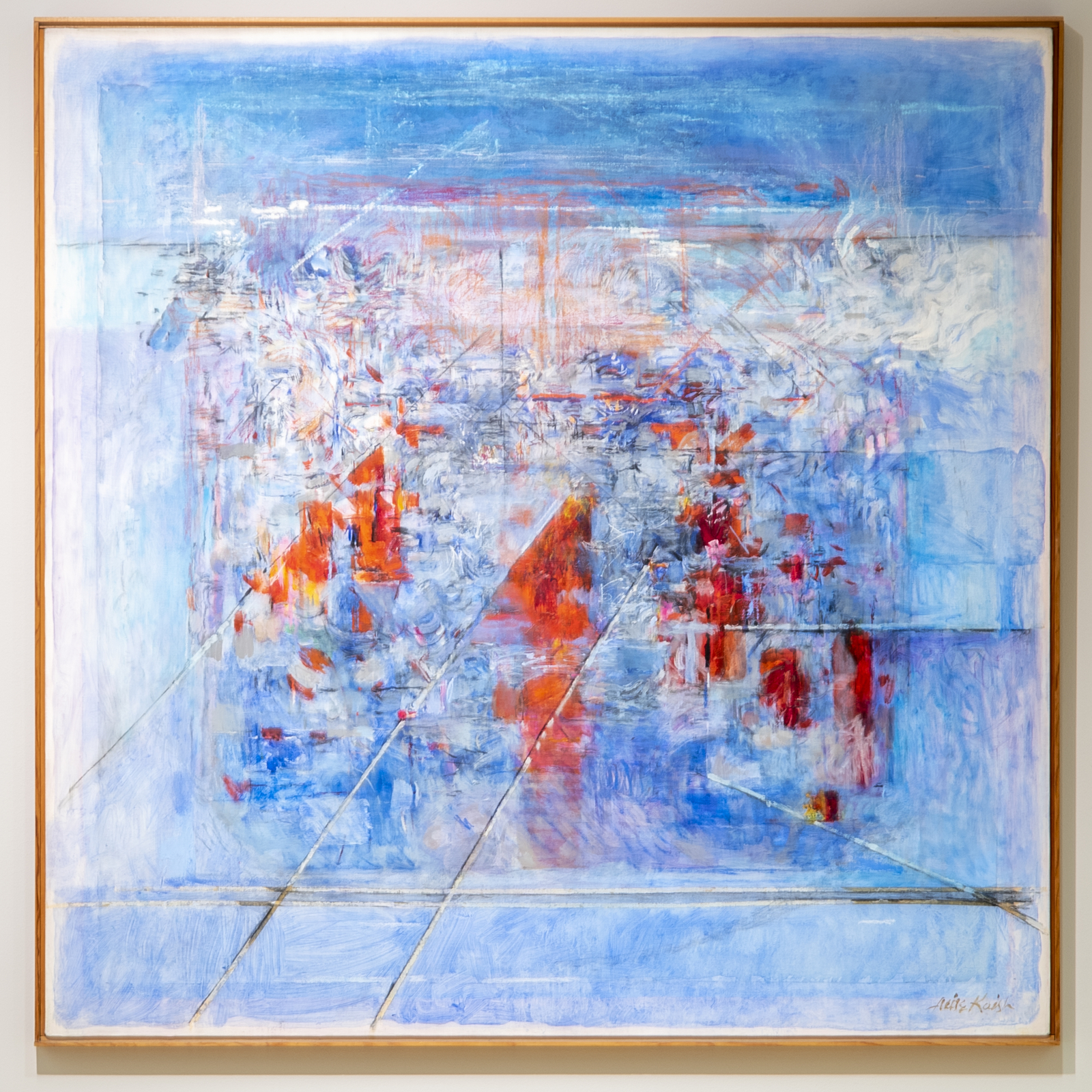
Portal IX by Luise Kaish.

Portal IX from the Portal series, circa 1985 - 1988
Luise Clayborn Kaish (American, 1925 - 2013)
Collage and mixed media
2021.0065

300 Dreams
After

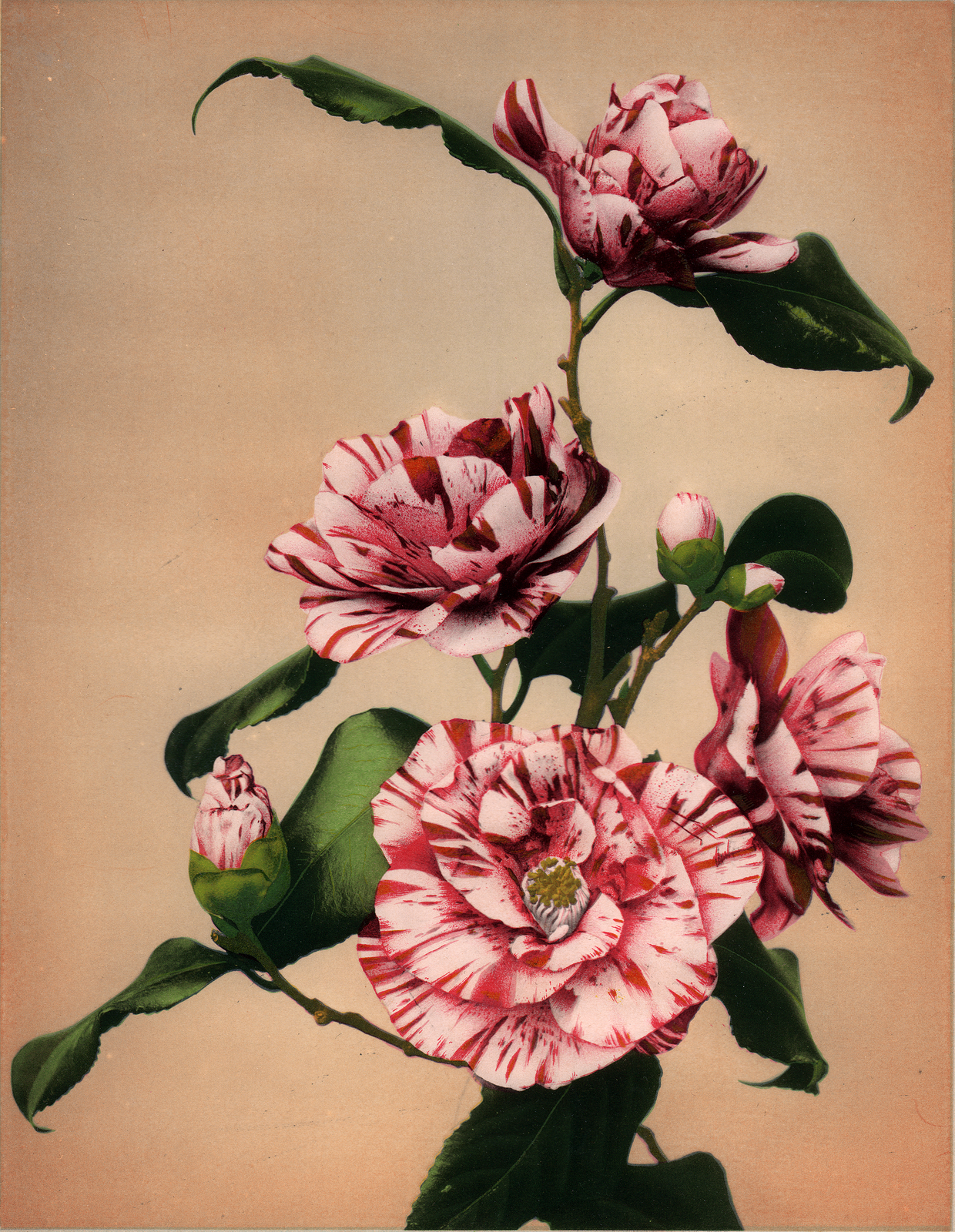
Flowers by Kazumasa Ogawa.

Flowers, circa 1880
Kazumasa Ogawa (Japanese, 1860 - 1929)
Colored collotype
1990.769

I Could Be A Florist
Olivia Dean

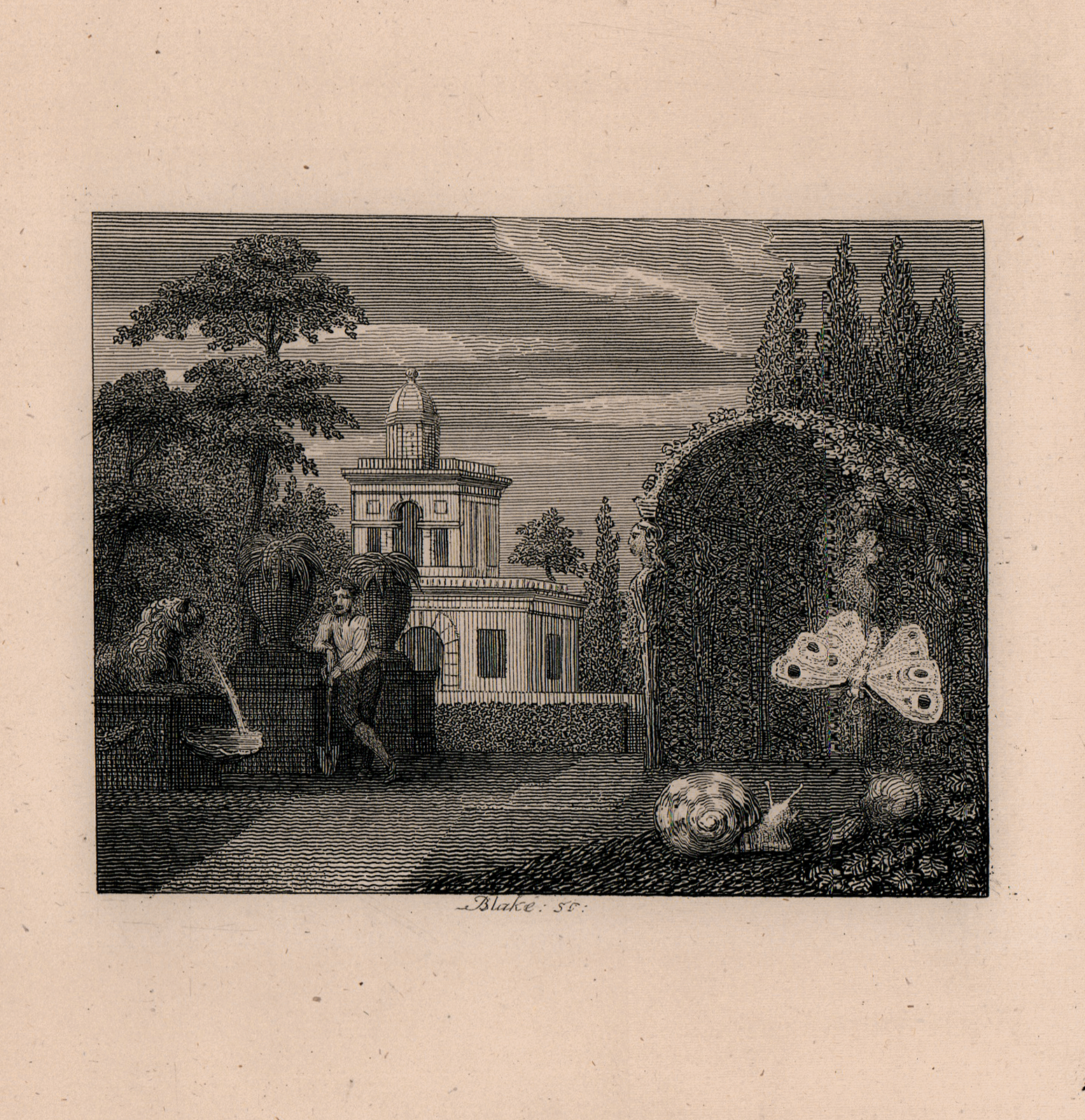
Gay's Fables: The Butterfly and the Snail by William Blake.

Gay's Fables: The Butterfly And the Snail, 1793
William Blake (British, 1757 - 1827)
Engraving
1990.769

Garden Gate
Mon Rovîa

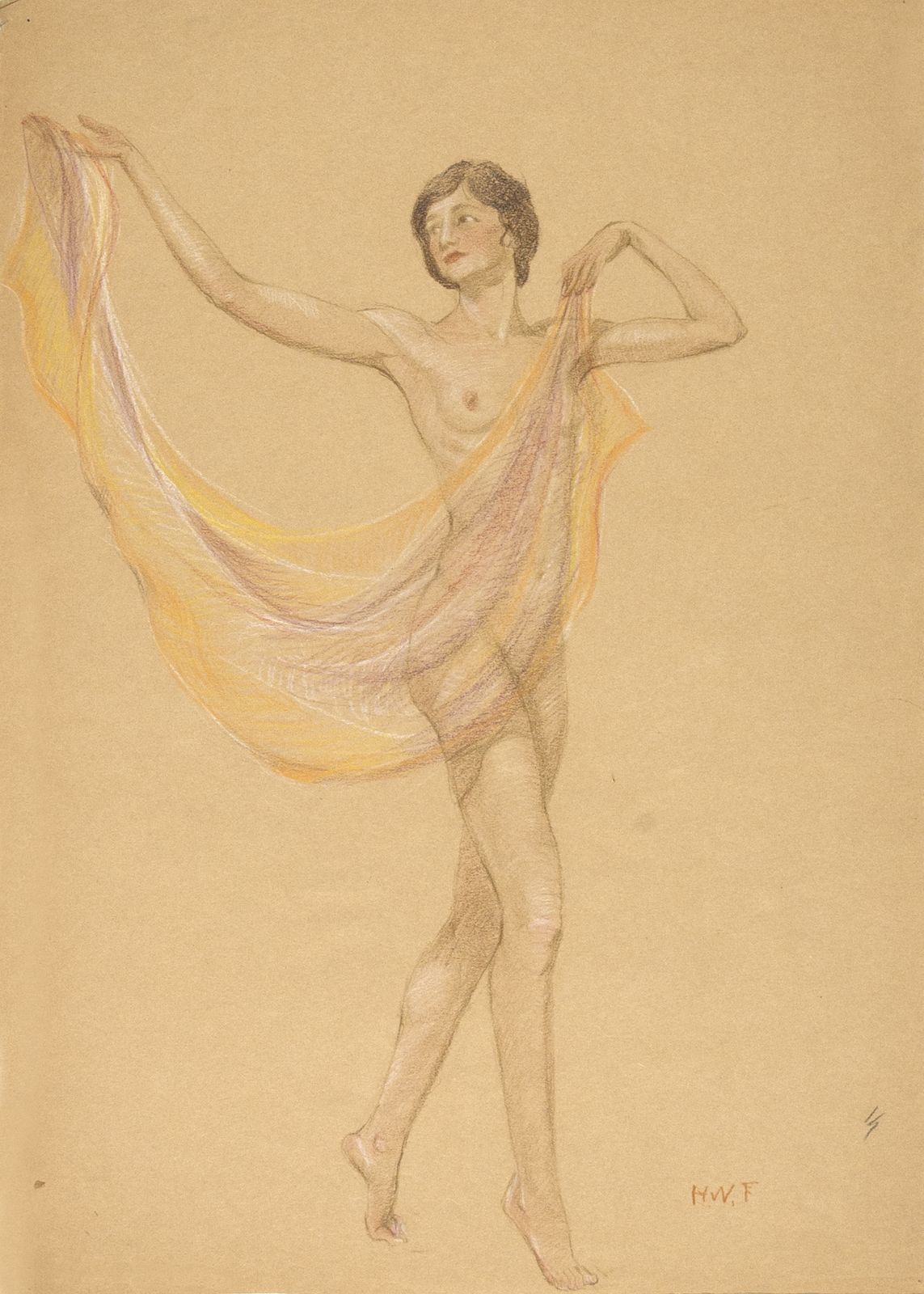
Study, standing nude with orange drape by Harriet Whitney Frishmuth.

[Study, standing nude with orange drape], circa 1920
Harriet Whitney Frishmuth (American, 1880 - 1980)
Crayon
2000.0152

Silk Chiffon
MUNA, Phoebe Bridgers

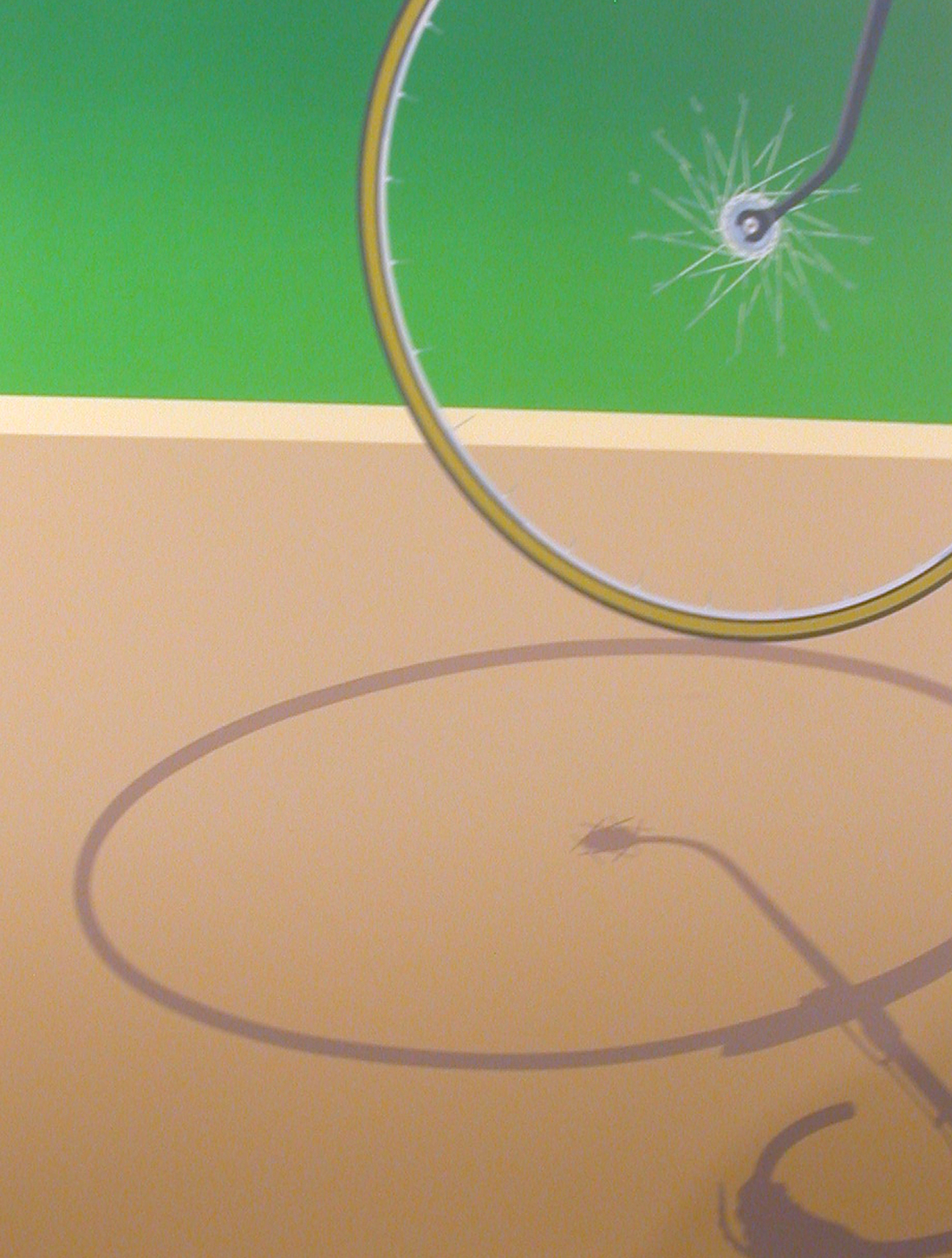
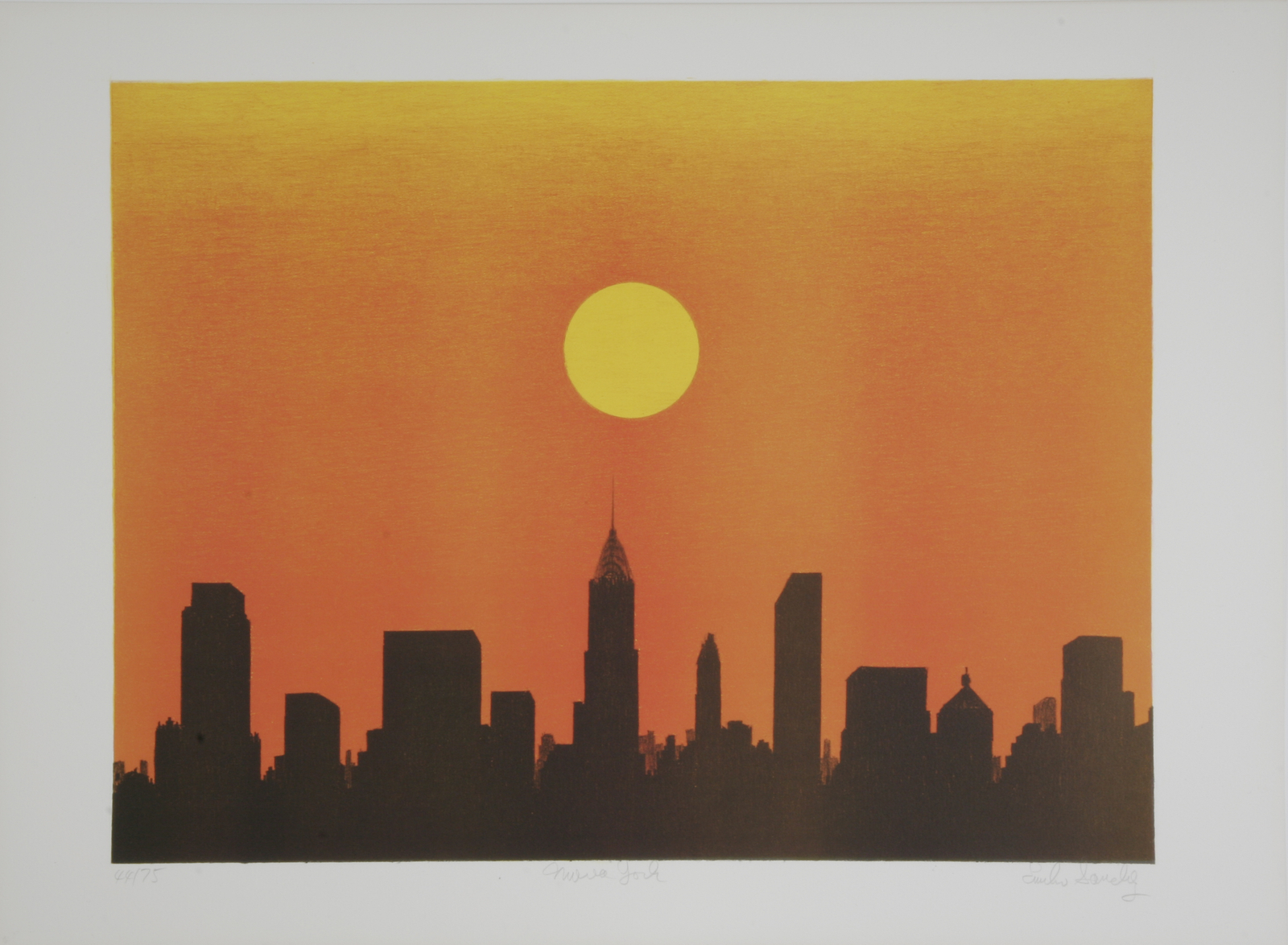
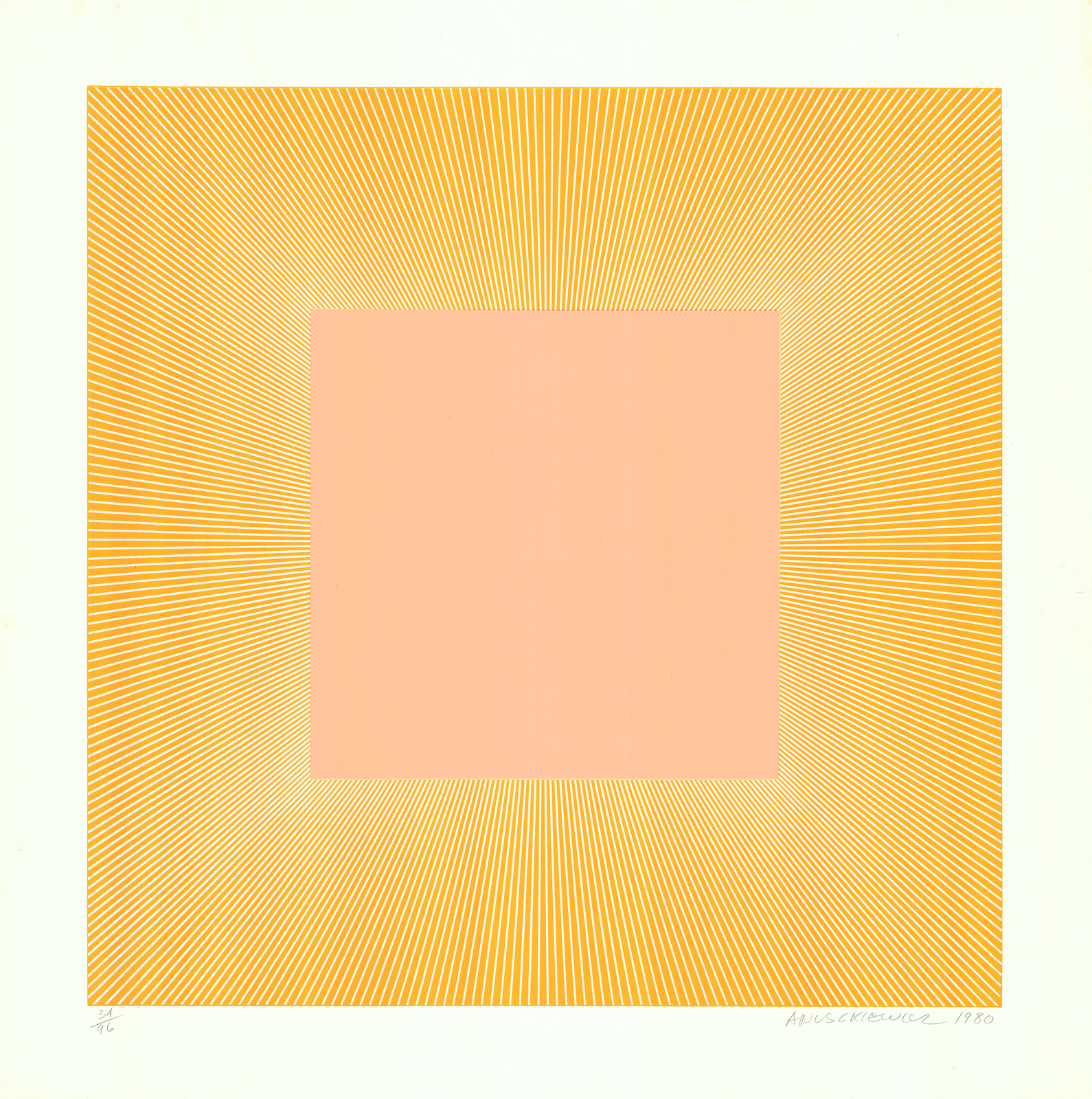
Sun Series by Richard Anuszkiewicz.

Sun Series,1980
Richard Anuszkiewicz (American, 1896 - 1952)
Screenprint
1991.398

Si Me Voy
Cuco, The Marías

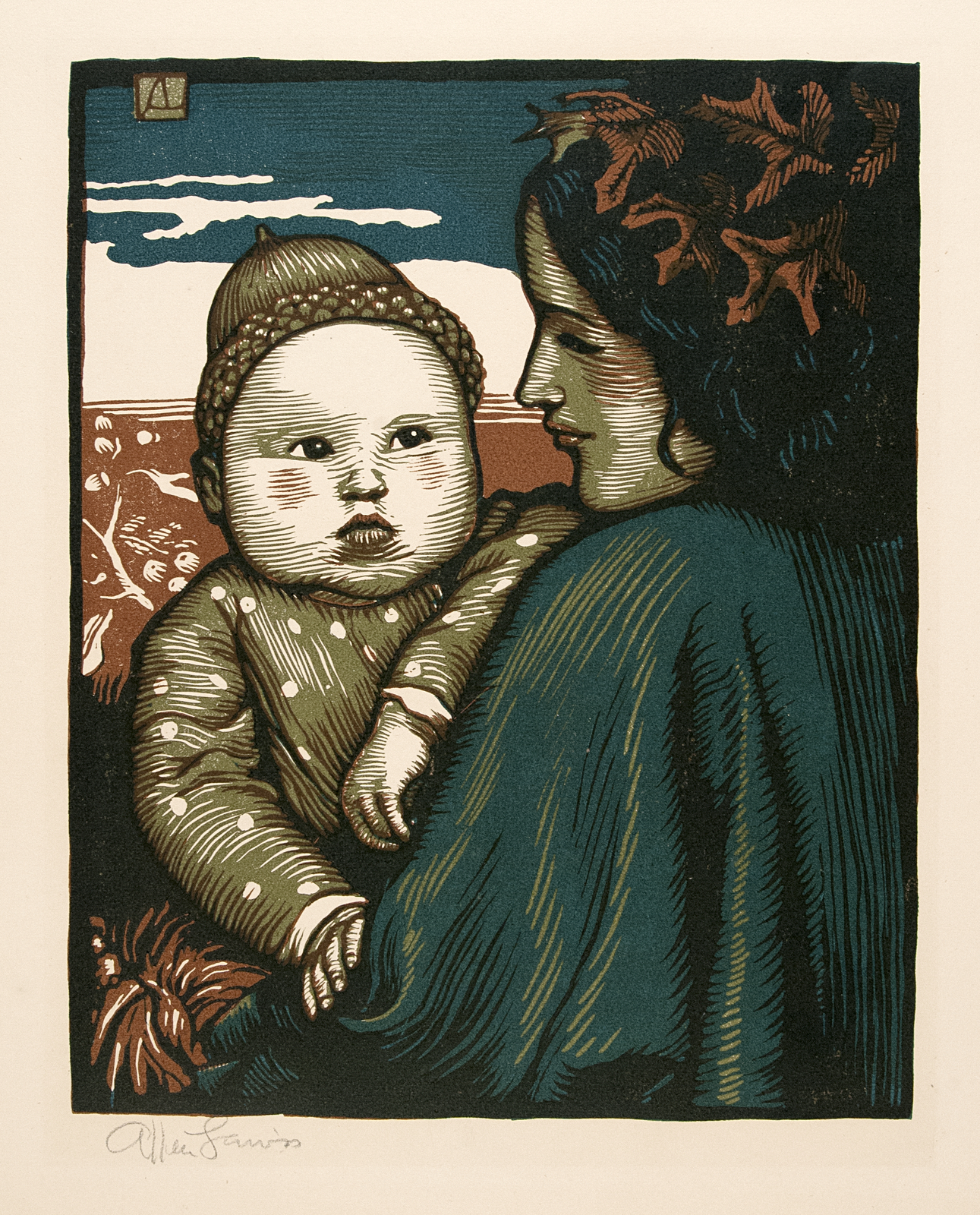
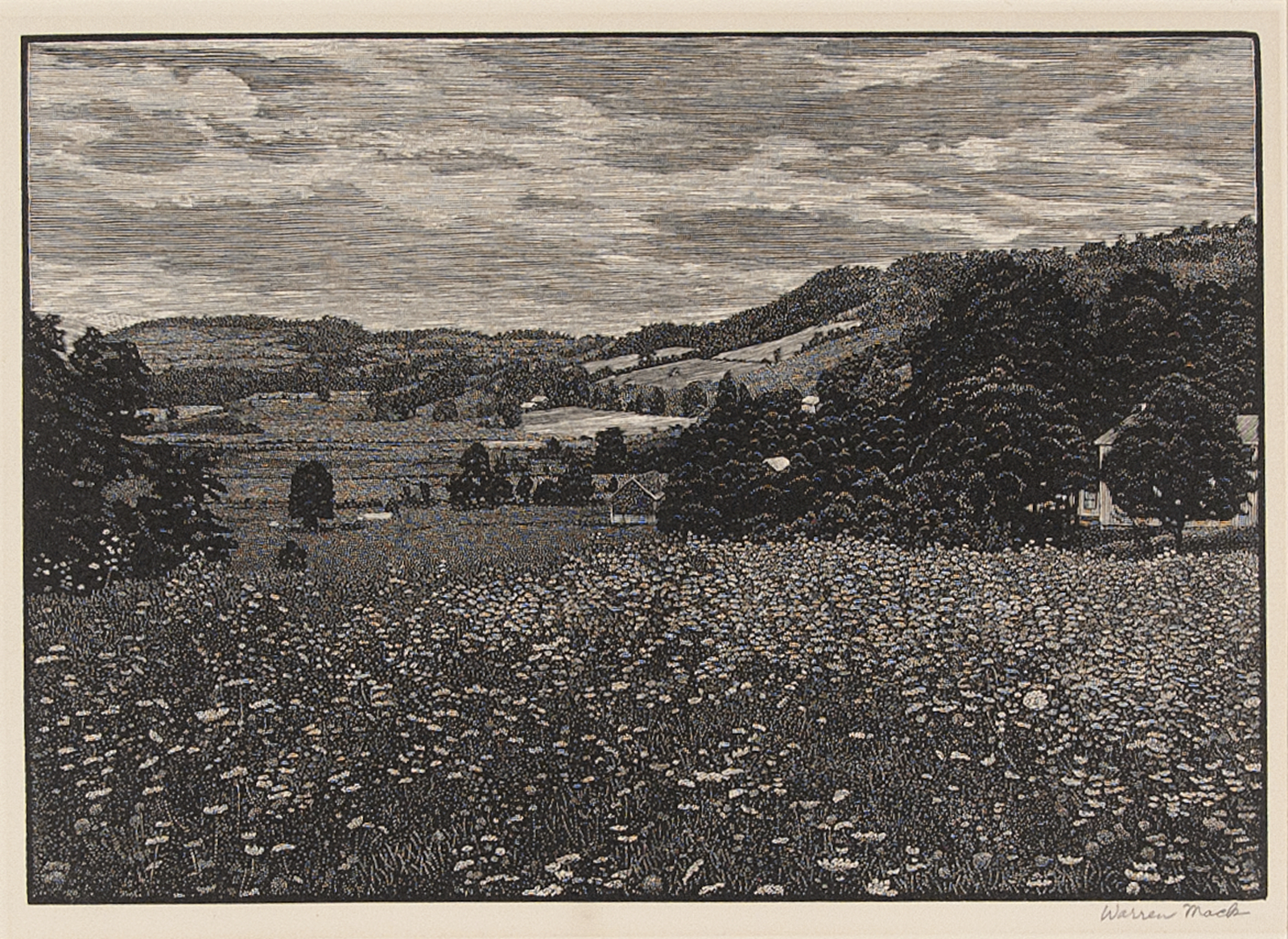
Queen Anne's Lace by Warren Bryan Mack.

Queen Anne's Lace, 1947
Warren Bryan Mack (American, 1986 - 1952)
Wood engraving
2009.0017

Flowers In Your Hair
The Lumineers

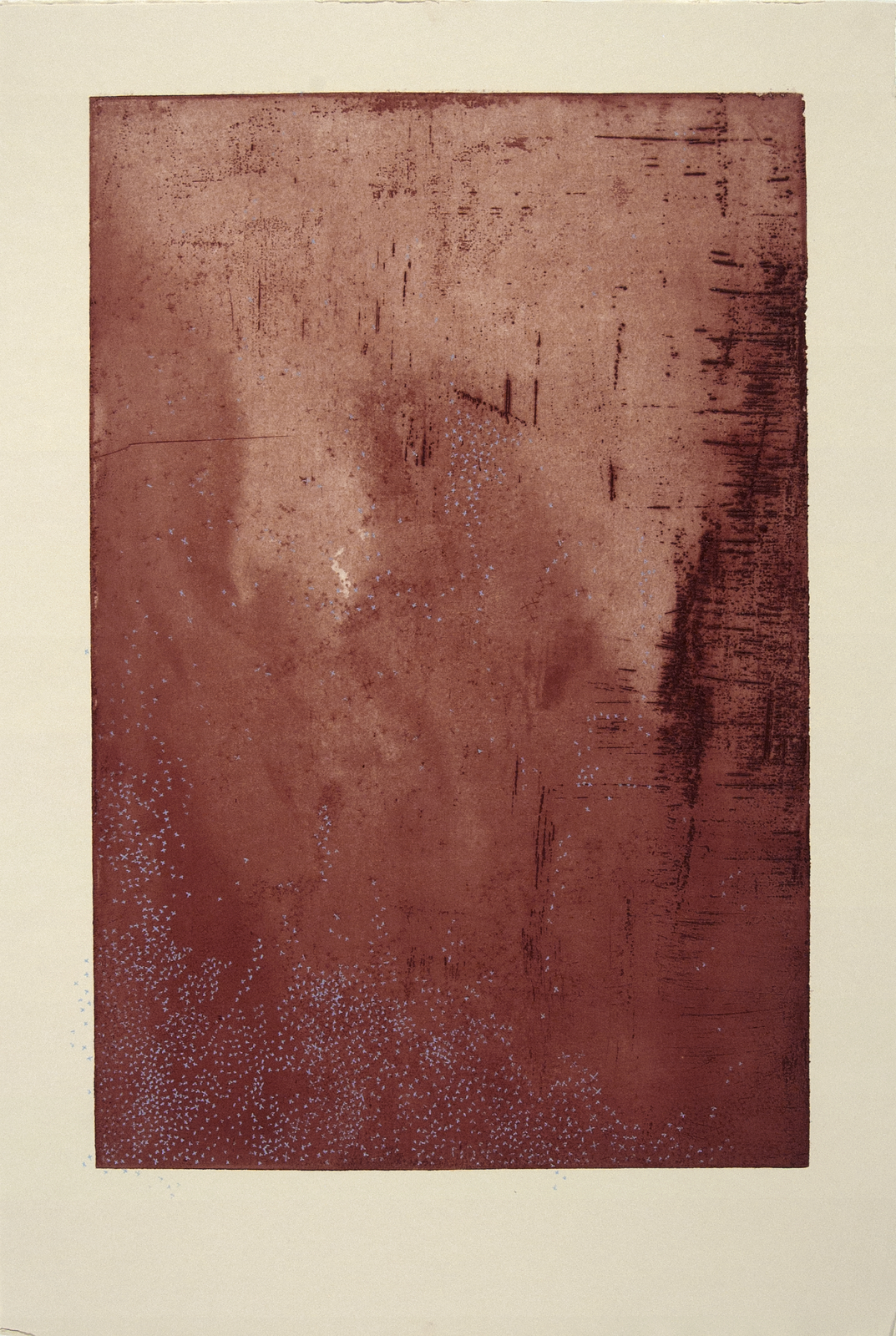
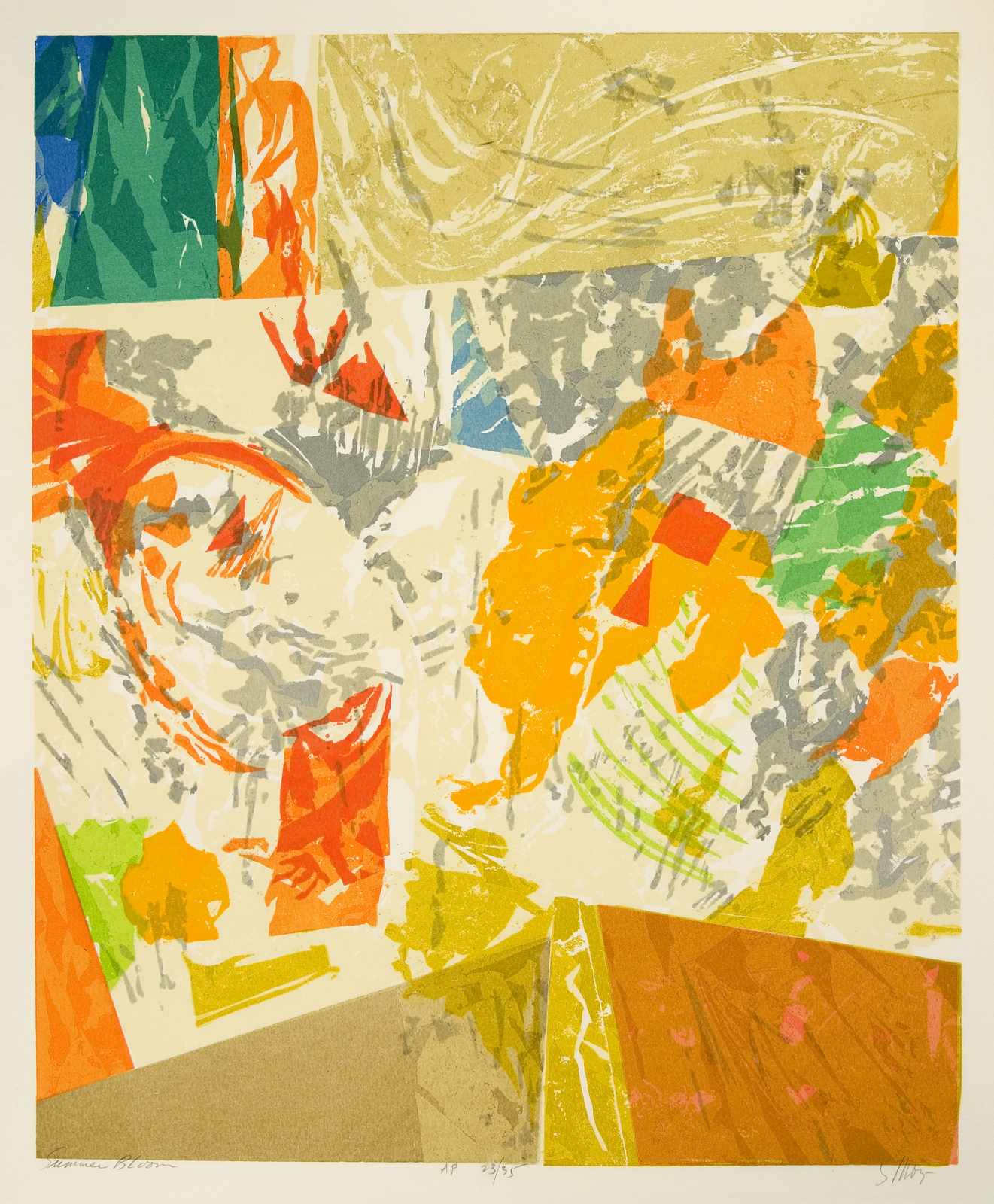
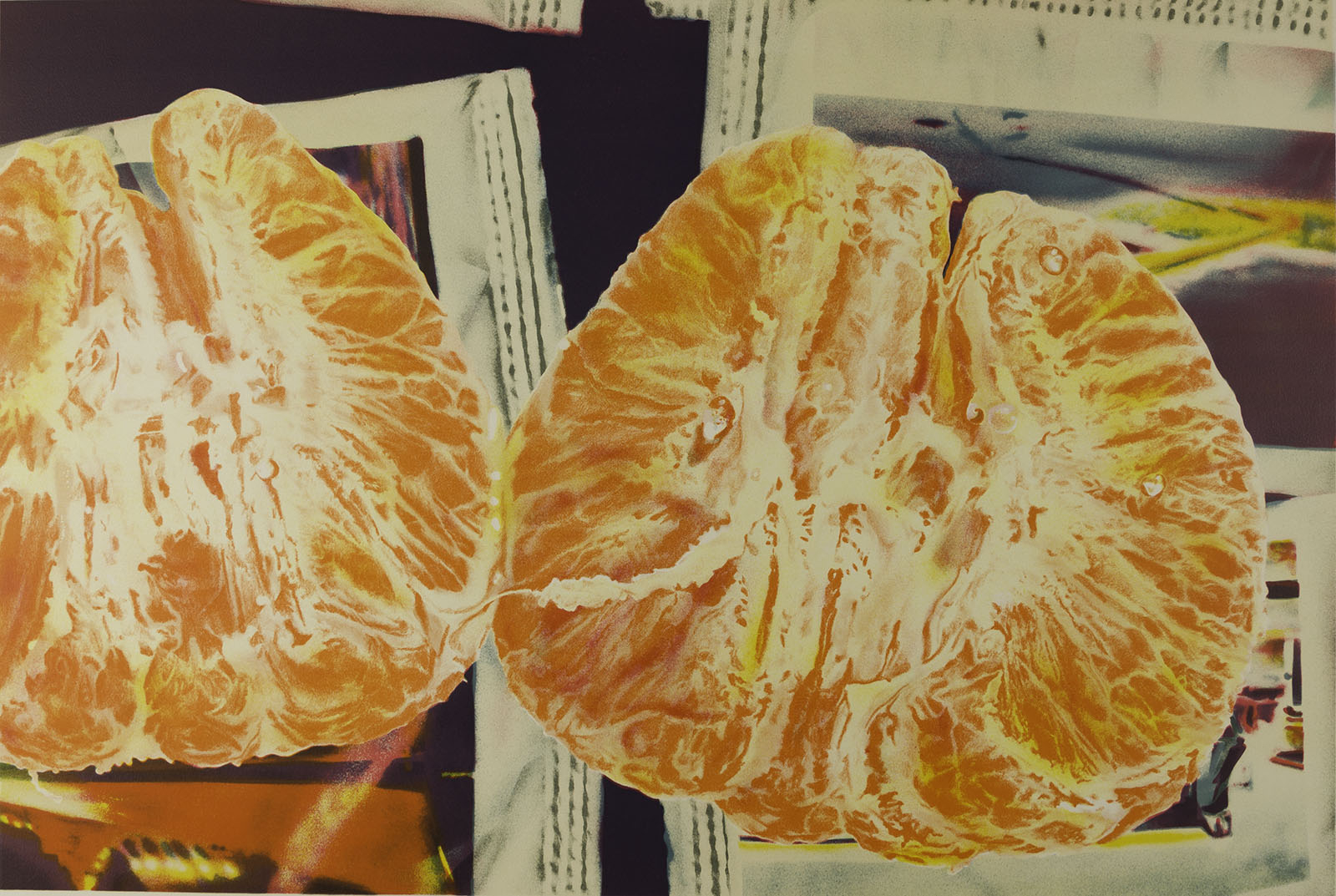
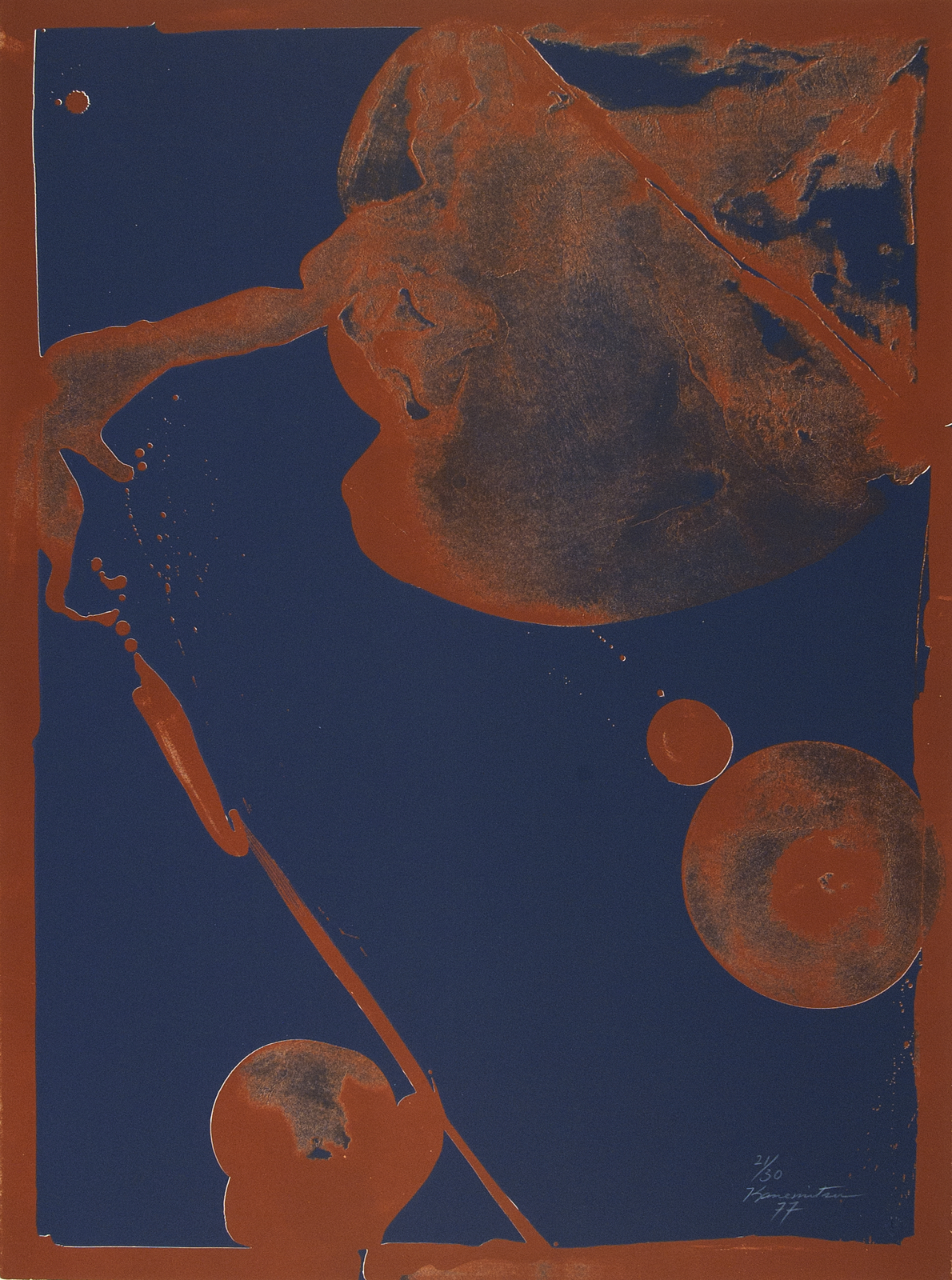
May Dream by Matsumi Kanemitsu.

May Dream, 1977
Matsumi Kanemitsu (American, 1922 - 1992)
Color lithograph
2004.0046

Warm Ways
Fleetwood Mac

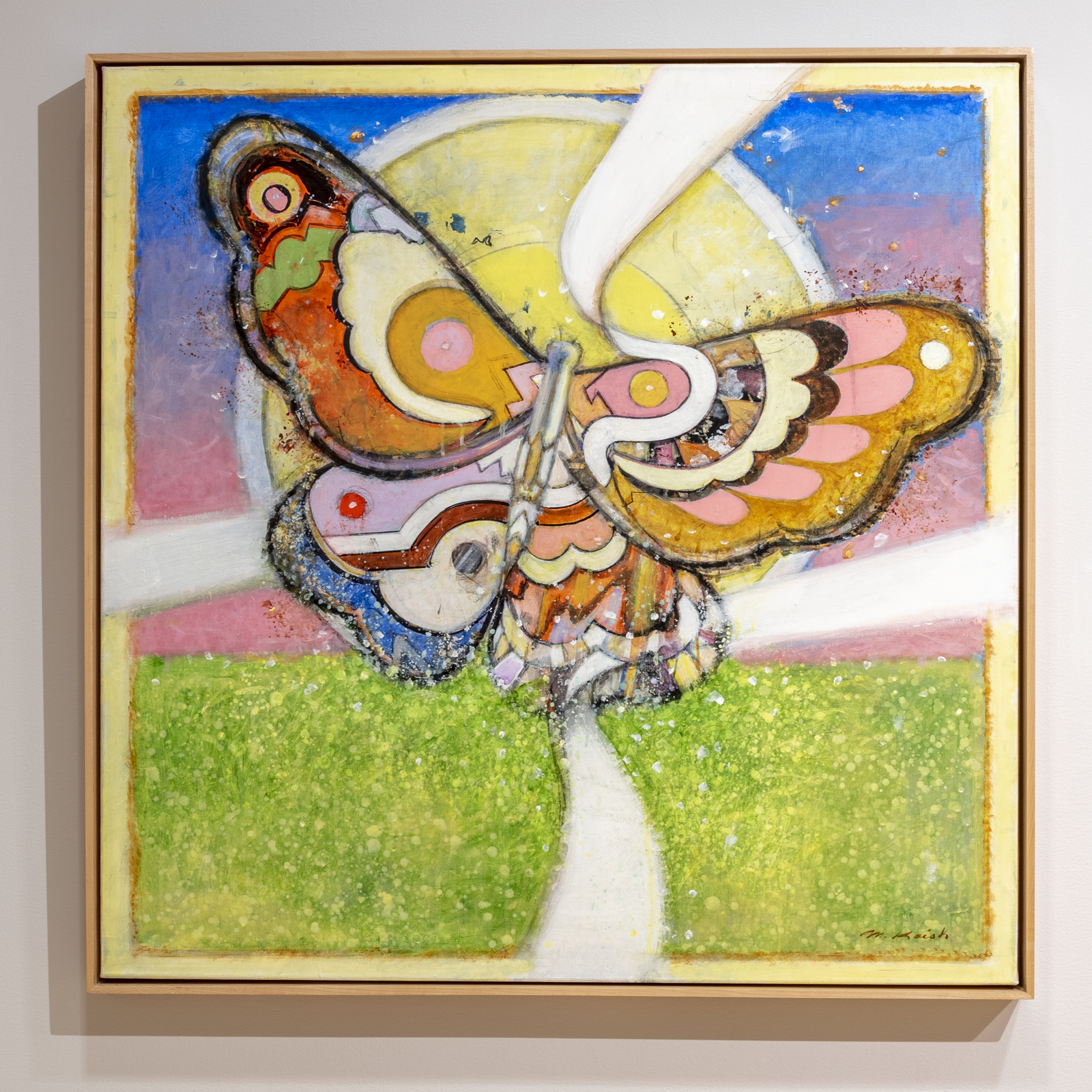
Arrival VII from the Butterfly series by Morton Kaish.

Arrival VII from the Butterly series, 2018
Morton Kaish (American, 1927 - 2025)
Acrylic, pencil, and pastel
2021.0066

Butterflies
Kacey Musgrave

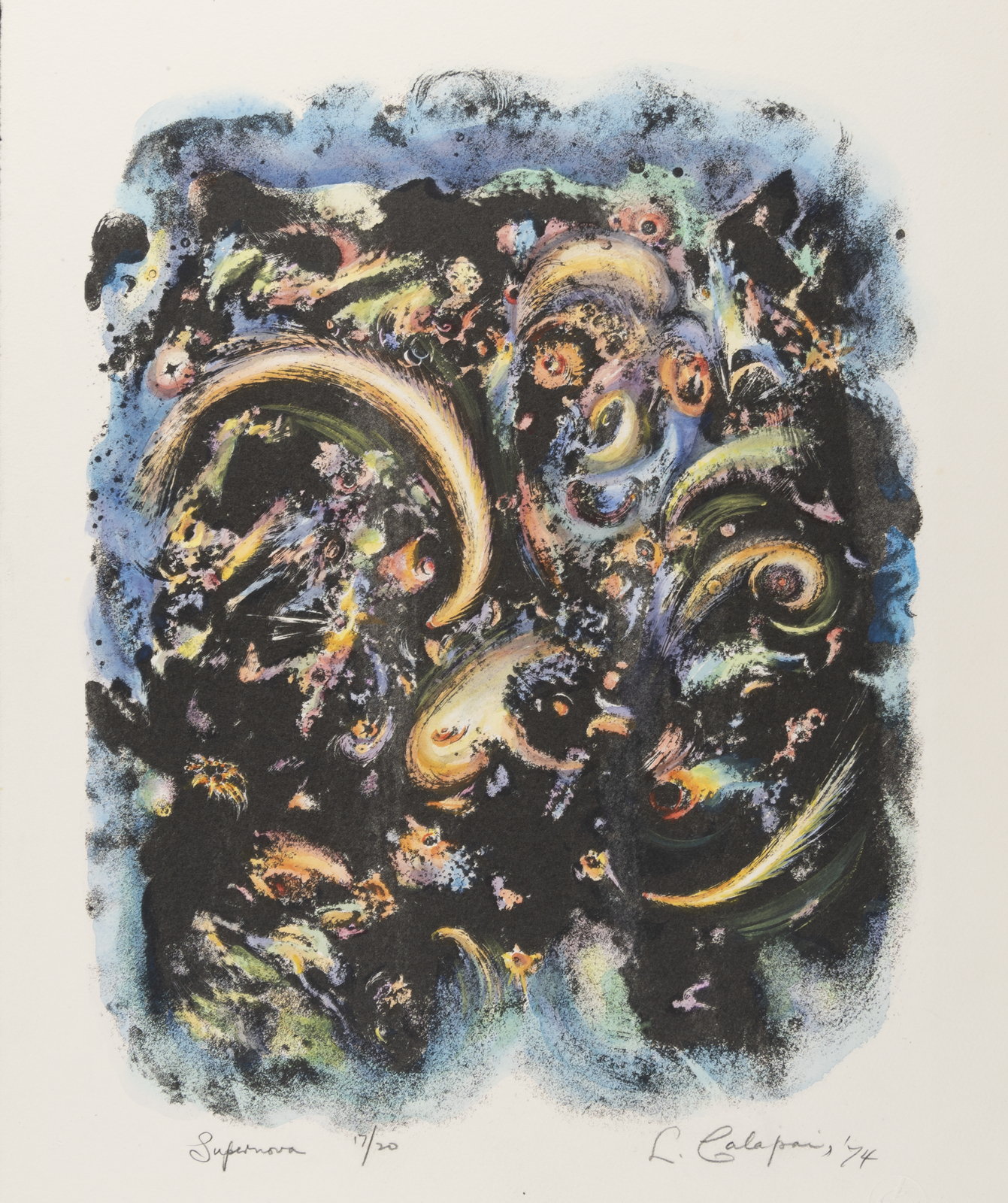
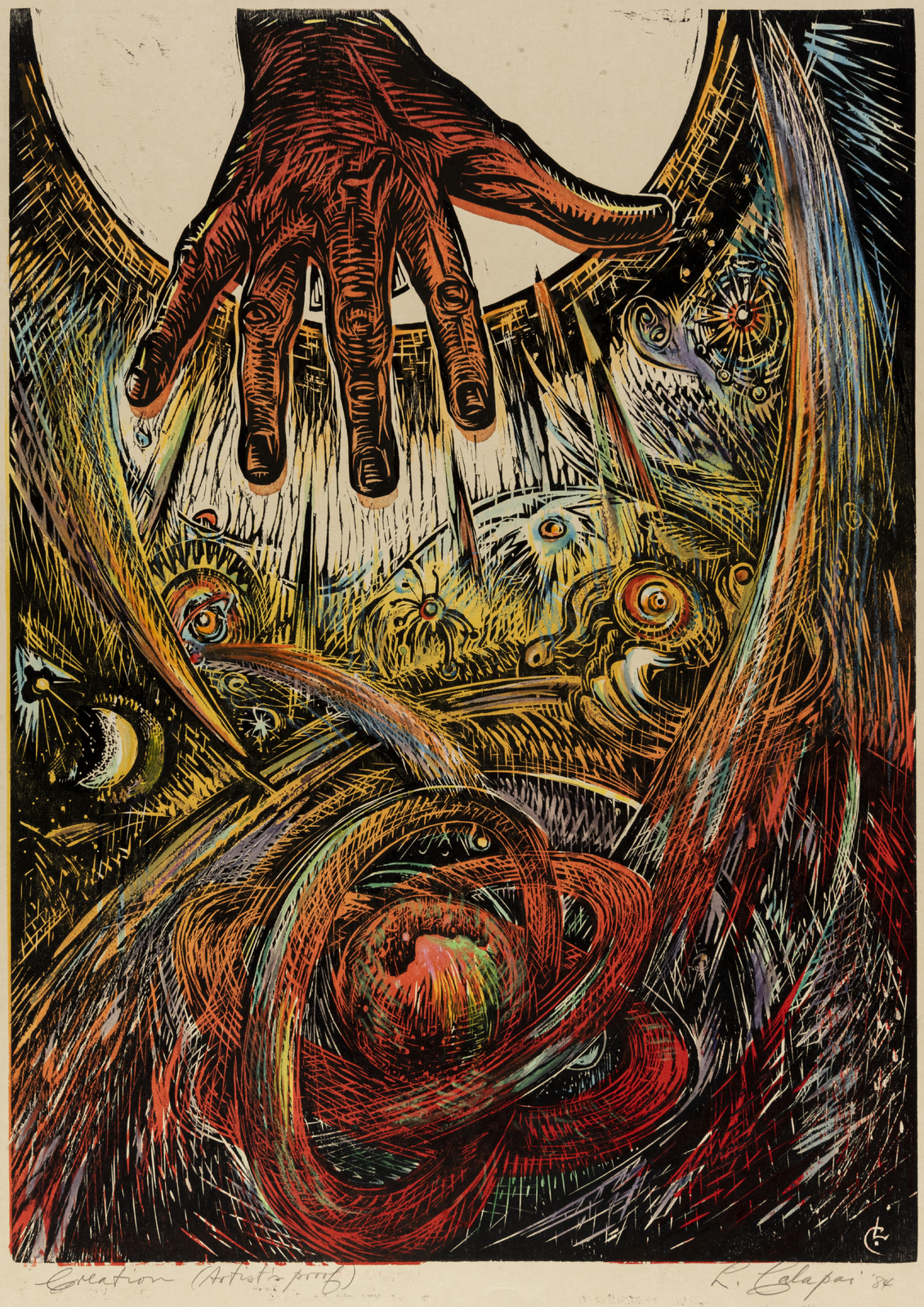
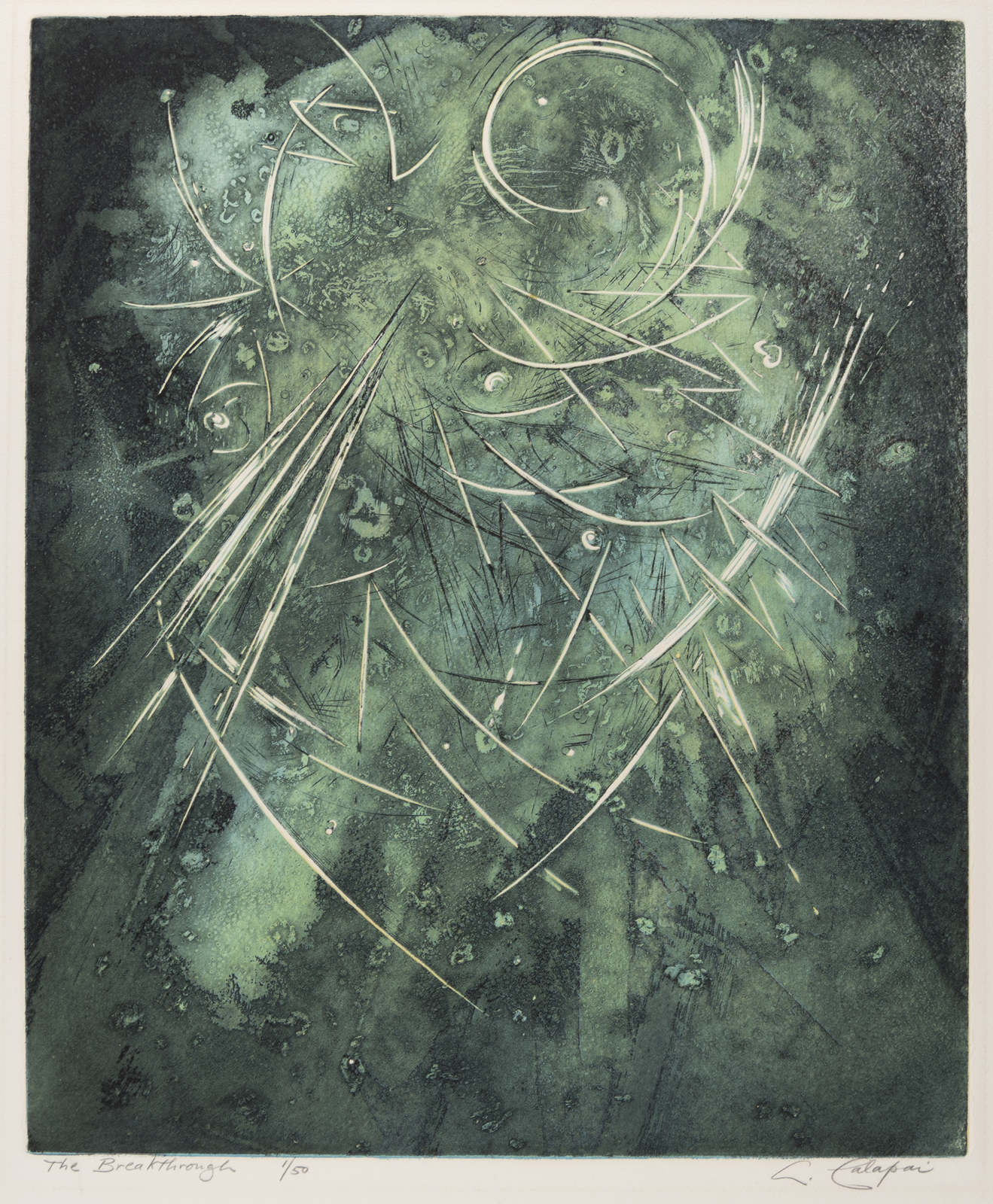
Metamorphosis by Letterio Calapai.

The Breakthrough, 1959
Letterio Calapai (American, 1902 - 1993)
Aquatint with engraving, gauffrage
2023.200

Metamorphosis
Infinity Song

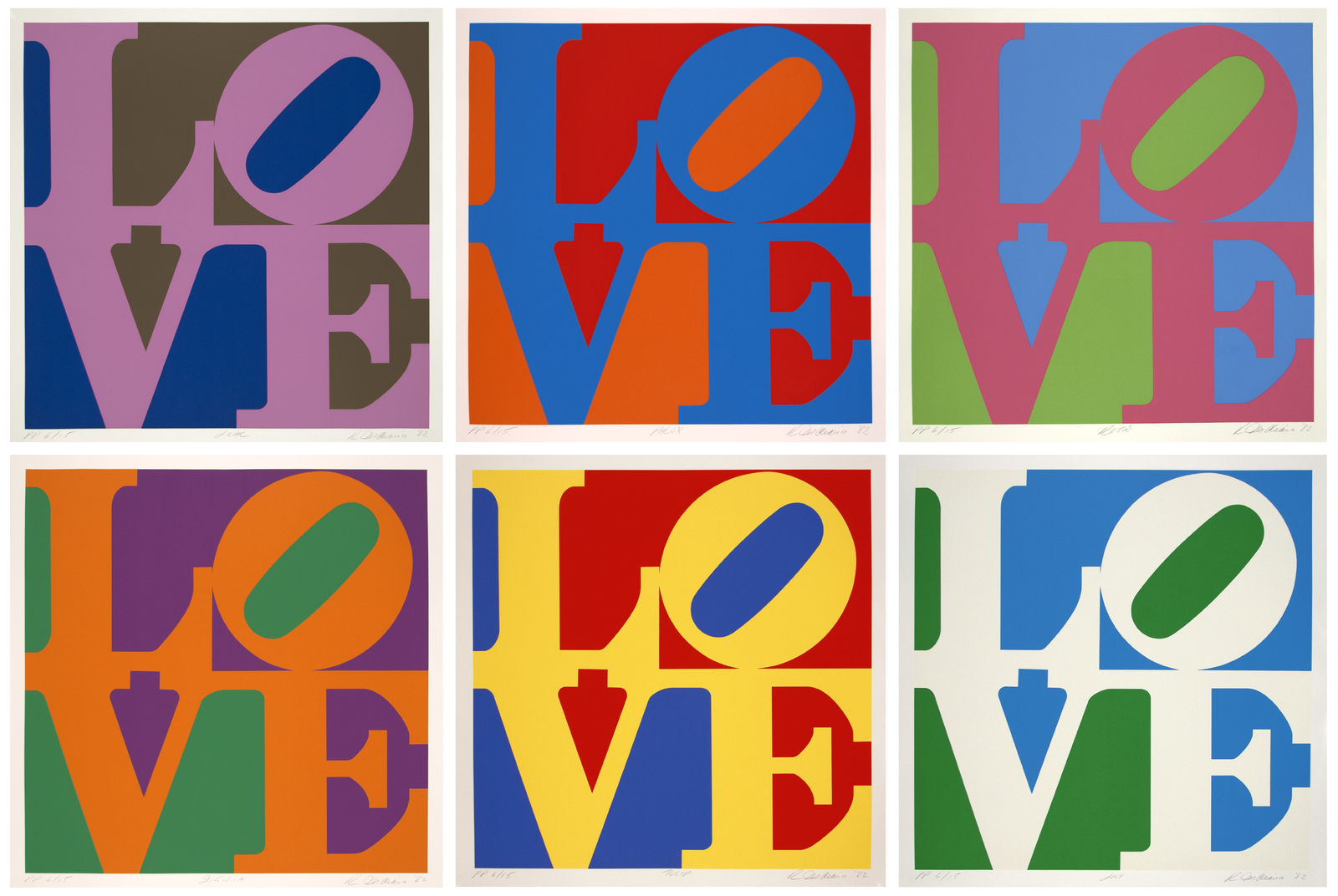
The Garden of Love by Robert Indiana.

The Garden of Love, 1982
Robert Indiana (American, 1928 - 2018)
Portfolio of six screenprints
1984.877

Love Today
MIKA

Sightseeing: Three Views from Home

Of the eleven artists exhibiting as part of Possible Worlds: 20 Years of the Wynn Newhouse Awards, there are three that turn their creative lens towards examining the built environments of the cities they live in. For Courttney Cooper, that is the city of Cincinnati. For William Scott, that’s San Francisco. And for Kambel Smith, Philadelphia. Each of them sees their respective homes with a certain reverence but expresses their love differently.

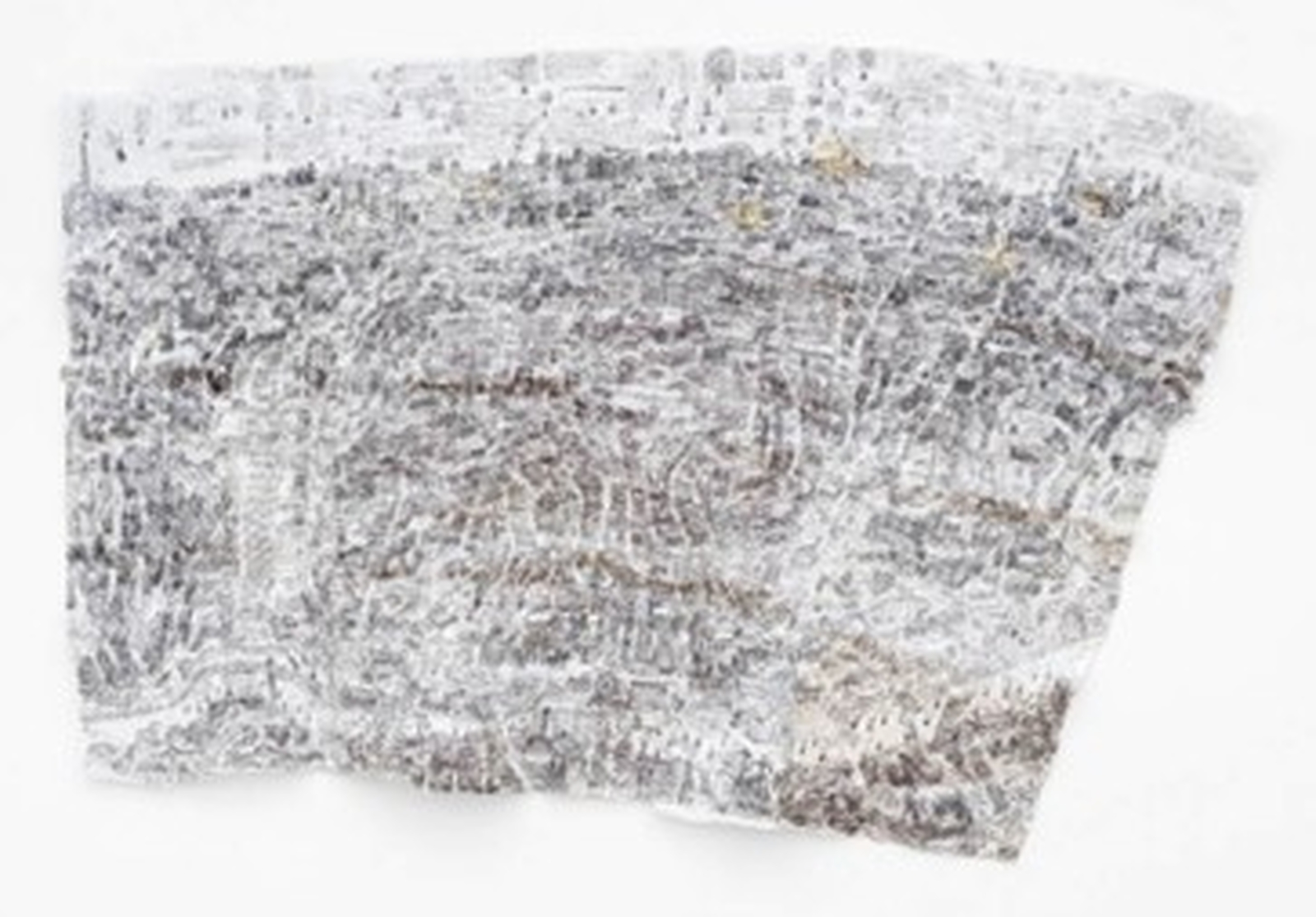
“Cincinnati Cartoon Carnival Palooza”, 2022. Courttney Cooper (born 1977). Ink on collaged bonded paper. Courtesy of Western Exhibitions, Chicago.

Cooper crafts these massive maps on the back of paper he salvages from his job as a grocery clerk and collages them together. It is easy to get lost in Cooper’s work, following the streets of the city and discovering small details hidden in plain sight: messages on hot air balloons, spots where the black ink of the streets turn into waterways, and even surface details found on Cooper’s scavenged paper. Cooper’s imagined version of Cincinnati is brimming with energy: pulsing and expanding the longer you spend with his panoramic maps.

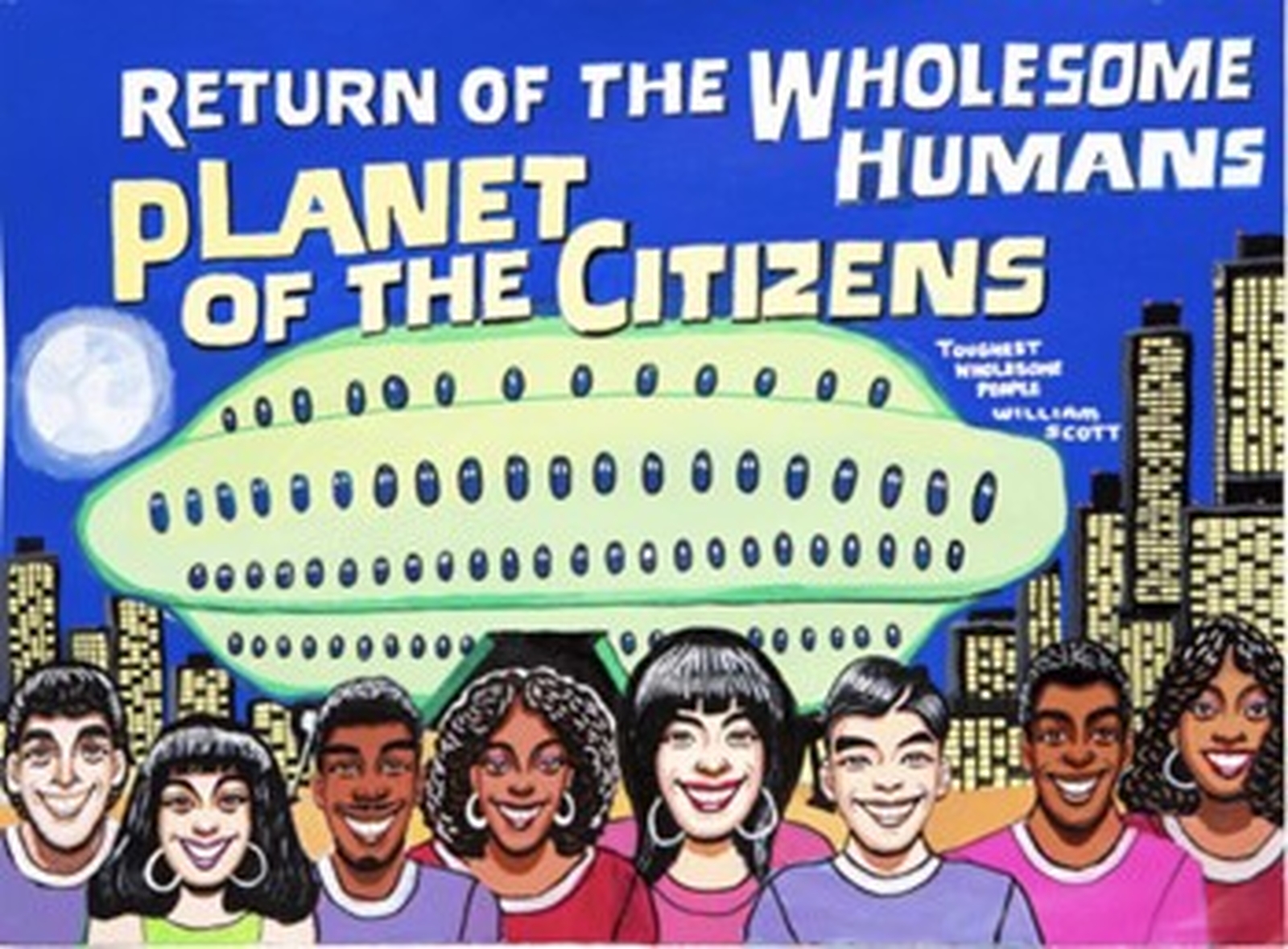
“Return of the Wholesome Humans, WS 734”, November 7, 2024. William Scott (born 1964). Acrylic on paper. Courtesy of the artist and Creative Growth.

The city of San Francisco becomes “Praise Frisco” to William Scott: a utopic version of San Francisco that offers a version of San Francisco different than the common preconception of the city as a technological capital. “Praise Frisco” surfaces the humanity of the city with smiling faces and colorful buildings. In Scott’s eyes, the city is imagined as a place of safety and care and contradicts how national media often portrays coastal cities.

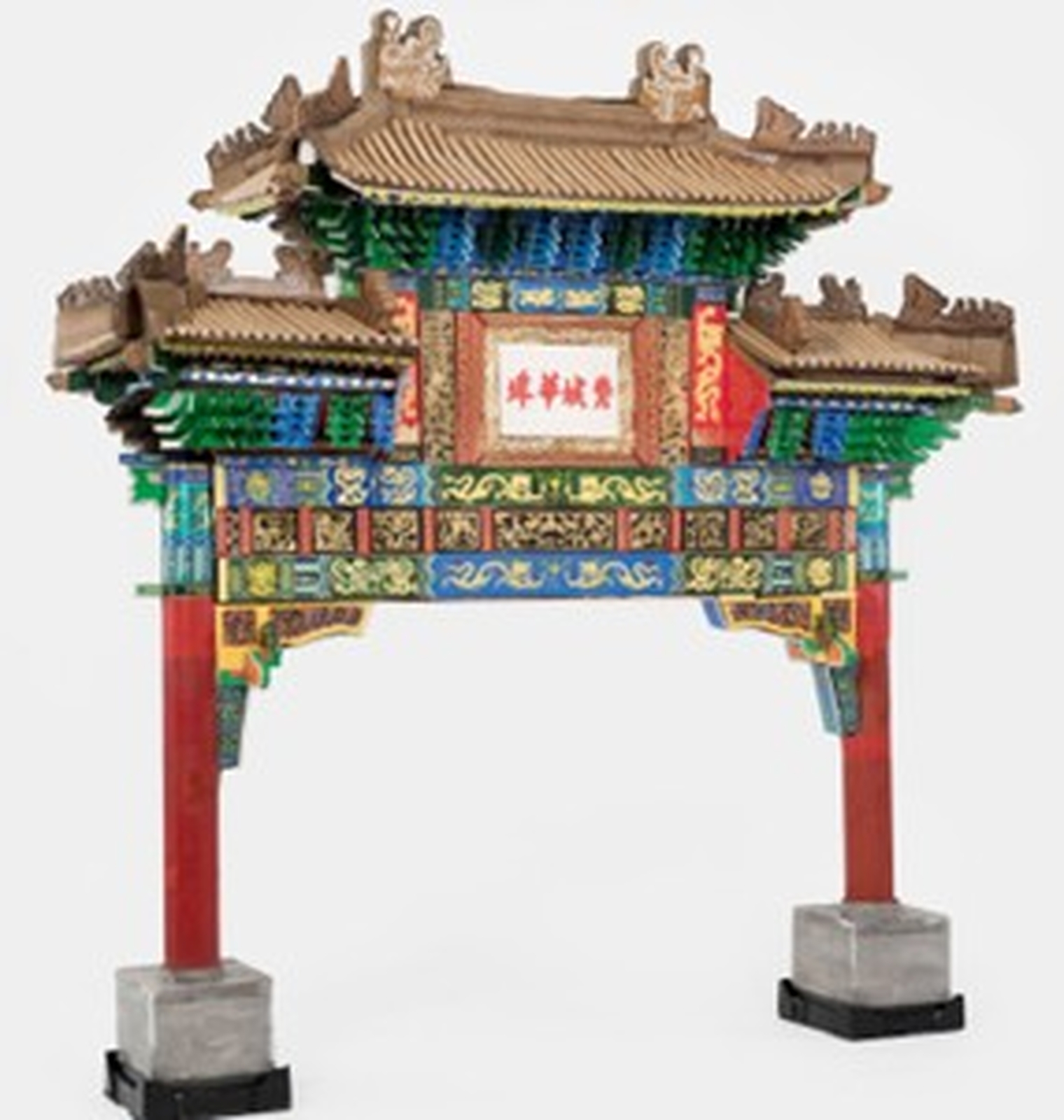
“Chinatown Arch”, 2022. Kambel Smith (born 1986). Cardboard, wood rods, foam board, spray paint, gold leaf, packing paper, and plug-in light. Courtesy of Elaine de Koonig House, East Hampton, NY.

Unlike William Scott and Courttney Cooper, Kambel Smith takes an exacting, precise approach and reconstructs specific landmarks critical to public life in Philadelphia. Remarkably, as described by the exhibition’s curator Daniel Fuller G’04, Smith does not rely on measuring tools but rather his own intuitive sense of proportion and spatial memory. Through his faithfully reconstructed Philadelphia landmarks, Smith offers us a loving homage to places of worship, gathering, and a collective identity. What results are monuments of our collective humanity.

Possible Worlds is on view at the SU Art Museum through May 9, 2026.

Taylor Westerlund, Communications & Outreach Specialist
Syracuse University Art Museum

Still Life: Art Museums as Spaces for Campus Wellbeing

Here’s something to sit with for a minute:

According to research performed by Bloomberg Connects and FlyteDesk, 93% of college students say they’re interested in visiting their campus art museum. Only 25% actually do. They’re too busy, they don’t think art is “for them,” or they didn’t even know the museum existed.

Meanwhile, burnout among young adults is at an all-time high. Over 80% of 18-to-34-year-olds report feeling burned out, and roughly 4 in 10 college students experience symptoms of depression or anxiety.

And now you’re probably wondering: what does an art museum have to do with any of this?

More than you might think. A growing body of research shows that spending time with original works of art can lower cortisol levels, reduce inflammatory markers linked to chronic disease, and improve emotional wellbeing.

A recent study from King’s College London found a 22% reduction in cortisol and up to a 30% drop in pro-inflammatory cytokines after a single gallery visit.

An art museum offers something unique on a college campus: quiet reflection, time away from screens, a space to feel something real, and a chance to connect with others.

The Syracuse University Art Museum is free, open six days a week, and right here on campus.

“Joy Is Not Naive, It’s Radical”

Daniel Fuller G’04, curator of Possible Worlds: 20 Years of the Wynn Newhouse Awards, joined us on Wednesday, February 4 to discuss his experience curating the landmark exhibition. He laughed a lot during his virtual talk and he also got a little choked up. That mix of joy and tenderness ran through the entire evening.

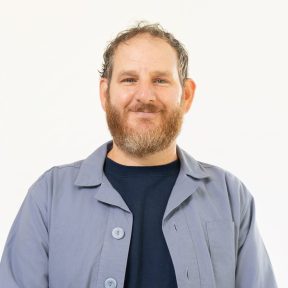
Image of Daniel Fuller, curator of Possible Worlds.

Fuller, a Syracuse University Museum Studies alum who now serves as Director of Curation at the National Center for Civil and Human Rights, has dedicated much of his career working with artists with disabilities. He described visiting art centers like NIAD Art Center and Creative Growth as stepping into “kind of paradise” with rooms full of art supplies, music, and people making work with infectious energy.

He shared a favorite memory from The Art Department in Portland, Maine: “They break every day at 2:30 to bring a boombox out to the sidewalk and dance to Shakira. Everyone in town knows that at 2:30, the dance party happens.”

That joy carries into Possible Worlds. Fuller spoke about Reverend Joyce McDonald, whose sculptures and paintings featured in the exhibition, insist that “joy is not naive, it’s radical.”

Joy is a fitting frame an exhibition that refuses to flatten its artists into a single narrative and is one of several threads that run through Possible Worlds. As Fuller says, “Disability is present, it’s acknowledged, it’s respected, but it’s not seen as a curatorial shorthand.”

Possible Worlds is on view at the Syracuse University Art Museum through May 9, 2026.

Reflecting on Peter Milton’s mind-bending “Hotel Paradise Cafe”

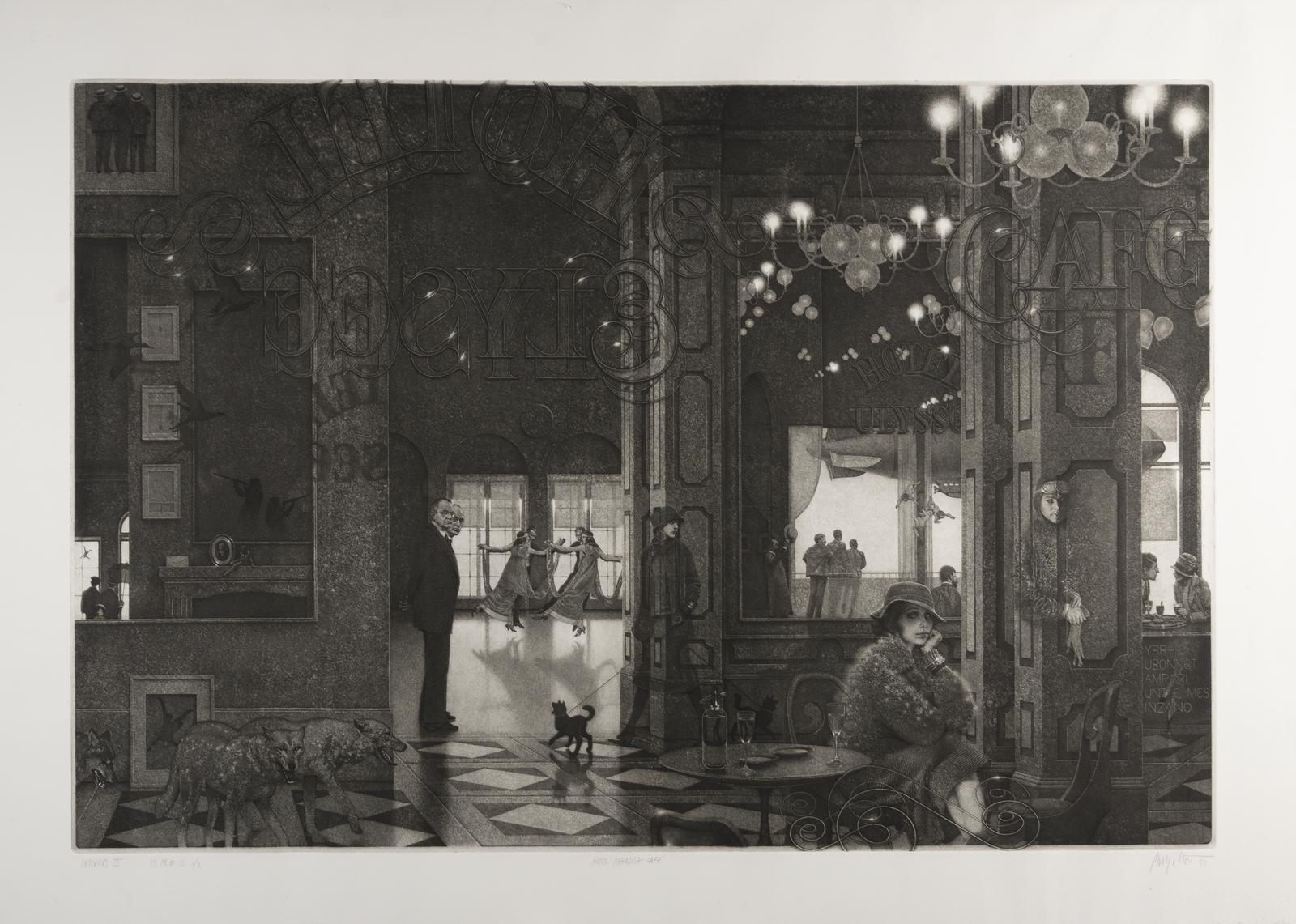
"Hotel Paradise Cafe", 1987. Peter Milton (born 1930). Resist-ground etching and engraving. Gift of John & Sabina Szoke. “Hotel Paradise Cafe”, 1987. Peter Milton (born 1930). Resist-ground etching and engraving. Gift of John & Sabina Szoke.

Standing before Peter Milton’s “Hotel Paradise Café”, you can easily find yourself lost in the best possible way. At first glance, Milton’s 1987 work presents what appears to be a simple, representation of a hotel lobby; however quickly you will find yourself tracking the labyrinthine interior where mirrors reflect mirrors and realities bend. Its disorienting, mesmerizing imagery is the perfect catalyst for teaching in Associate Professor and former SU Art Museum Faculty Fellow Lyndsay Gratchs digital performance course in the College of Visual and Performing Arts’ Department of Communication and Rhetorical Studies.

Peter Milton (born 1930) is renowned for his incredibly detailed prints that blend memory, dream, and reality. This resist-ground etching and engraving, donated to the SU Art Museum in 2023 by John and Sabina Szoke, is more than just a stunning display of technique. It is one of the jumping off points for students to examine perspective and experience in Gratch’s course, CST 314: Performance Studies: Digital Performance in Everyday Lives.

“We routinely welcome classes into the galleries and our Study Room, creating opportunities for students to study artworks firsthand,” says Melissa Yuen, curator. “To encourage teaching innovation, we also developed a Faculty Fellows program, which is now in its fourth year.”

“[Milton’s use of mirrors and reflections invites] a critical analysis of the viewer’s own perspectives and positionalities, in addition to recognizing that knowledge is not objective or neutral,” Gratch explains. ‘Thus, reflexibility calls for a deeper level of self-awareness and critical thinking about historical contexts, contemporary and historical power structures, and personal biases.”

Just as Milton’s mirrors force viewers to question what exactly they are looking at, Gratch asks students to question their own viewing position. In an age of social media, misinformation, and AI-generated content, understanding how we construct and consume images has never been more important.

Want to see this artwork for yourself?

“Interiors IV: Hotel Paradise Café” will be featured in “New In: Recent Acquisitions at the SU Art Museum,” opening February 9, 2026 at the Bernard and Louise Palitz Gallery in New York City.

Discovering the Depth of the Syracuse University Art Museum Collection

Hidden within the Syracuse University Art Museum’s collection are ancient Etruscan vessels, contemporary photographs, Renaissance paintings and modernist sculptures — more than 45,000 objects waiting to be discovered.

The museum ranks as one of the top 10 academic art collections in the country by collection size, spanning media such as painting, prints, photography and sculpture. It is not uncommon for museums with large collections to display only a fraction of their holdings at any given time, and many have made strides toward digitizing collections to increase accessibility on a global scale.

Since 2019, the Syracuse University Art Museum has hosted a free-to-use online platform called eMuseum: a living repository of information and imagery about our collection. Assistant Registrar Abby Campanaro updates the database daily, and along with Registrar Victoria Gray and graduate collections assistants, more of the museum’s collection is becoming visible online.

Within the eMuseum, visitors can search by artist, exhibition, collection or keyword. For researchers or the hyper-curious, an advanced search function allows you to narrow down the collection to display, for example, only oil paintings made between 1960 and 1980. The eMuseum will also generate a list of similar artworks to the one you are viewing, allowing for further discovery of pieces you may not have found otherwise.

“The eMuseum is an exciting, innovative tool that really opens the doors to our collection,” Campanaro says. “Whether someone is a student looking for a topic for their next essay or just a curious art lover, there’s something for everyone to discover.”

Ready to explore? Visit the Syracuse University Art Museum eMuseum at onlinecollections.syr.edu to start your journey through thousands of artworks from around the world and across the centuries. The collection is free to search and available 24/7.

Taylor Westerlund ,
Communications & Outreach Specialist,
Syracuse University Art Museum